Salads

To make a simple and delicious lemon vinaigrette, you need fresh and quality ingredients. Here’s what you will need: - Fresh lemon juice - Extra virgin olive oil - Dijon mustard - Honey or maple syrup - Garlic - Salt and pepper - Fresh herbs (parsley or basil) These ingredients come together to create a bright, zesty flavor. Fresh lemon juice gives that tartness we love. Extra virgin olive oil adds richness and depth. Dijon mustard brings a bit of spice and helps emulsify the dressing, making it smooth. Honey or maple syrup adds a touch of sweetness to balance the acidity. Garlic gives it a nice kick, while salt and pepper enhance all the flavors. Finally, fresh herbs add freshness and color to your vinaigrette. For the Full Recipe, follow the steps to whip up this tasty dressing. Experiment with the herbs you like best, or stick to classic parsley or basil. Enjoy bringing bright flavors to your meals! 1. Combining the base ingredients: Start by grabbing a small mixing bowl. Pour in 1/4 cup of fresh lemon juice. Add 1 tablespoon of Dijon mustard and 1 tablespoon of honey or maple syrup. Toss in one small minced garlic clove. Whisk these ingredients together until they blend well. 2. Emulsifying with olive oil: Slowly drizzle in 1/2 cup of extra virgin olive oil while you whisk. This step is key. It helps to emulsify the dressing, giving it a creamy texture. Keep whisking until the mixture is smooth and well combined. 3. Adjusting seasoning and flavor balance: Now, add salt and pepper to taste. I like to start with a pinch of each. Taste the dressing and see if you need to adjust it. If it’s too tart, add a bit more honey. If it’s too sweet, add a splash of lemon juice. Stir in 1 teaspoon of finely chopped fresh herbs for that extra pop of flavor. - Best ways to use lemon vinaigrette: This dressing shines on salads. Drizzle it over fresh greens or your favorite mixed salad. It also works great on grilled vegetables or as a marinade for chicken. - Drizzling technique over salads: When serving, use a light hand. Drizzle the vinaigrette in a circular motion across the salad. This technique ensures even coverage and makes your dish look pretty. - Keeping in refrigerator: Store the dressing in a jar with a tight lid. It will keep fresh in your refrigerator. - How long the dressing lasts: Homemade lemon vinaigrette lasts about one week in the fridge. Be sure to give it a good shake before each use, as it may separate over time. Enjoy your zesty creation! For the full recipe, check the ingredients and instructions above. To make your lemon vinaigrette shine, you can adjust the acidity and sweetness. If you like it tangy, add more lemon juice. For a sweeter taste, add a bit more honey or maple syrup. It’s all about finding the balance you enjoy. When mixing your vinaigrette, whisking well is key. Start by whisking the base ingredients in a bowl. Then, slowly drizzle in the olive oil while whisking. This process helps create a smooth texture. If you want an even creamier dressing, try using an immersion blender. Lemon vinaigrette packs a punch with its fresh ingredients. The main components have great nutritional value. Fresh lemon juice is high in vitamin C, which helps boost your immune system. Olive oil is filled with healthy fats that support heart health. Honey adds sweetness but also antioxidants. Using lemon vinaigrette can have several health benefits. It can aid digestion and promote hydration. The fresh herbs you add bring extra vitamins and minerals. This dressing not only tastes great, but it can also contribute to a healthy diet. {{image_2}} You can make your lemon vinaigrette even better. Adding fruits like berries or mango gives it a sweet twist. The burst of flavor pairs well with the tangy lemon. Try mixing in fresh herbs, too. Basil or mint can add a nice kick. You can also infuse the vinaigrette with spices. A pinch of cumin or paprika can change the taste. Experimenting with these flavors makes each batch unique. Lemon vinaigrette is not just for salads. You can pour it over pasta dishes for a zesty flair. Toss it with warm pasta and veggies for a delightful meal. It also works great as a marinade for proteins. Use it on chicken or fish before grilling. This adds flavor and helps keep the meat juicy. The options are endless, so get creative and enjoy! For the full recipe, check [Full Recipe]. To keep your lemon vinaigrette fresh, you need the right jars. A clean glass jar works best. Glass does not hold smells and keeps flavors intact. Always use an airtight container. This helps keep your dressing safe from air and light. For freshness, store your vinaigrette in the fridge. It will stay good for about a week. Before you use it, give it a good shake. The ingredients may separate, but that's normal. If you notice any off smells or colors, it is best to throw it away. Can you freeze lemon vinaigrette? Yes, you can! Freezing can help if you make too much. However, the texture may change a bit. Freezing can break the emulsion. This means it might look a bit different after thawing. To thaw, put it in the fridge overnight. If you need it quicker, run the jar under cool water. Once thawed, whisk it well to mix the ingredients again. If it looks clumpy, use a blender for a smooth finish. Enjoy it fresh on salads or as a dip! You can find the full recipe above to get started. Homemade lemon vinaigrette lasts about one week in the fridge. Store it in a sealed jar. Over time, the flavors may change a bit, but it should still taste good. Always check for signs of spoilage, like off-smells or changes in color. If you notice these, it’s best to toss it. You can use bottled lemon juice, but fresh is better. Fresh lemon juice tastes brighter and more vibrant. Bottled juice may have added preservatives, which can change the flavor. If you choose bottled juice, look for one without any additives for a closer taste to fresh. Lemon vinaigrette works well on many dishes. Drizzle it over mixed greens, spinach salads, or grilled vegetables. You can also use it on chicken, fish, or roasted potatoes. It adds a nice zing to pasta salads too. Feel free to get creative and try it on your favorite dishes! To make this recipe vegan, simply replace honey with maple syrup. Both sweeteners add flavor, but maple syrup is plant-based. Everything else in the recipe is already vegan-friendly, so you’re good to go! This way, everyone can enjoy this tasty lemon vinaigrette. For the full recipe, check the section above. This blog post covered everything you need to know about lemon vinaigrette. We explored key ingredients and how to make the dressing step by step. I shared ideas for serving, storage tips, and delightful variations. You learned about the health benefits and how to adapt the recipe. In summary, lemon vinaigrette is a versatile and healthy addition to your meals. Try it on salads, pasta, or as a marinade. Enjoy adding your own twist to this classic dressing!
Lemon Vinaigrette Dressing Simple and Delicious Recipe
Looking for a simple way to elevate your salads? This Lemon Vinaigrette Dressing brings fresh flavor with just a few ingredients. You’ll love how easy
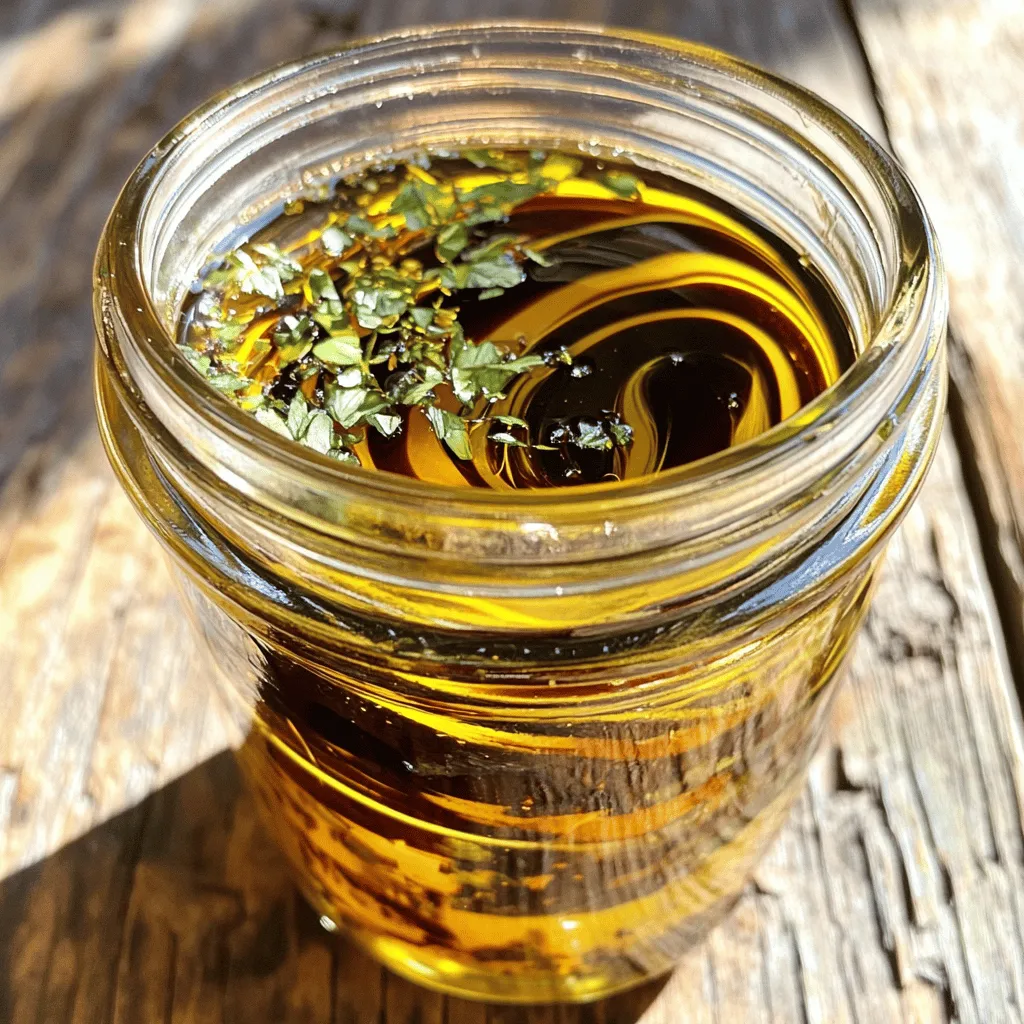
- Balsamic vinegar - Extra virgin olive oil - Dijon mustard - Honey or maple syrup - Garlic powder - Onion powder - Salt - Black pepper - Fresh herbs I love using fresh ingredients to make my balsamic vinaigrette. The balsamic vinegar gives it a sweet and tangy flavor. I use extra virgin olive oil for richness. Dijon mustard adds a nice kick. Honey or maple syrup brings sweetness, but feel free to skip it for a tangier taste. Garlic powder and onion powder round out the flavor. Lastly, I sprinkle in salt and black pepper to enhance everything. Fresh herbs really brighten the dressing and make it vibrant. If you want a vegan option, swap honey for maple syrup. It works perfectly! You can also replace extra virgin olive oil with other oils like avocado or sunflower oil. They will change the flavor, but they still taste great. When you need to convert measurements, remember: - 1 tablespoon equals 3 teaspoons. - 1 cup is about 240 milliliters. These simple conversions help when you want to adjust the recipe or make a smaller batch. To start, gather your ingredients. You will need balsamic vinegar, extra virgin olive oil, Dijon mustard, honey, garlic powder, onion powder, salt, black pepper, and fresh herbs. 1. In a medium bowl or jar, mix the balsamic vinegar, Dijon mustard, and honey. Stir or shake until it is smooth. 2. Now, slowly add the olive oil while whisking. If you have a jar, just add the oil and shake it well. This step helps blend the oil and vinegar together, creating a creamy texture. Next, it's time to add flavor. 1. Add garlic powder, onion powder, salt, black pepper, and your fresh herbs to the mix. 2. Whisk or shake again to make sure everything is well blended. 3. It’s important to taste your dressing. If you want it sweeter, add more honey. If you like it tangy, add more balsamic vinegar. Adjust until it’s just right for you. Now, let’s package it up for storage. 1. Pour your dressing into a clean jar with a lid. 2. Store it in the refrigerator. This dressing can last for about a week. 3. Before using, shake the jar well. The ingredients may separate, so shaking will mix them back together. For the complete recipe, refer to the Full Recipe section. Enjoy your homemade balsamic vinaigrette dressing! To make a great vinaigrette, oil plays a key role. It adds richness and aids in mixing flavors. Always choose good quality extra virgin olive oil for the best taste. When you're ready to mix, pour the oil slowly. This helps it blend well with the vinegar. Use a whisk to stir in small circles. This motion encourages the oil and vinegar to combine smoothly. If you prefer, you can also use a jar. Just shake it up until well blended. For a fun twist, add herbs and spices. Fresh herbs like basil or oregano can lift your vinaigrette. You can also try dried herbs if fresh ones are not handy. Consider adding a pinch of red pepper flakes for heat. If you like fruit, add diced peaches or strawberries. These will sweeten your dressing and add a burst of flavor. This vinaigrette pairs perfectly with many salads. Try it on mixed greens, spinach, or a hearty kale salad. It also works great as a marinade. Use it for chicken or veggies before grilling. You can even drizzle it over roasted vegetables for added flavor. The options are endless! For the full recipe, check the section above. {{image_2}} You can make your balsamic vinaigrette unique by changing the flavors. Adding citrus juices like lemon or orange brightens the taste. Just squeeze some fresh juice into the mix. This adds a zesty kick that pairs well with many salads. You can also try different types of vinegar. Apple cider vinegar or red wine vinegar can bring new notes to your dressing. Each vinegar will change the flavor profile slightly. Don't be afraid to experiment until you find your favorite combination. Sweetness can change the entire vibe of your vinaigrette. To adjust it, think about using natural sweeteners like agave or coconut sugar. These options can add sweetness without overpowering the other flavors. You can also use fruits to make the vinaigrette sweeter. Try blending in ripe strawberries or peaches. This gives a fresh taste and adds a fun twist to the dressing. If you crave a creamy texture, transforming the vinaigrette is easy. You can add ingredients like Greek yogurt or mayonnaise. These create a rich, smooth dressing that clings to your salad nicely. To make it creamy, simply mix in about 1/4 cup of yogurt or mayonnaise with your vinaigrette. This small change makes your dressing feel more luxurious. It is perfect for those days when you want something rich and satisfying. For the full recipe, check out my Zesty Balsamic Bliss Dressing. To keep your homemade balsamic vinaigrette fresh, use a clean glass jar with a lid. Mason jars are great for this. They seal tightly and make pouring easy. Always store the dressing in the refrigerator. This helps it stay fresh longer. Your balsamic vinaigrette can last about one week in the fridge. After that, it may start to lose flavor. Watch for signs that it has gone bad, like an off smell or color change. If it smells sour or looks cloudy, it’s best to toss it. You can freeze balsamic vinaigrette, but it may change texture. To freeze, pour the dressing into an ice cube tray. Once frozen, transfer the cubes to a freezer bag. When you want to use it, just thaw a few cubes overnight in the fridge. This method helps keep some of the flavor. Homemade balsamic vinaigrette lasts about one week in the fridge. Store it in a clean jar with a tight lid. Always check for changes in smell or color before using. Yes, you can make balsamic vinaigrette in advance. It saves time on busy days. Just remember to give it a good shake before using. The flavors may deepen if stored overnight. Balsamic vinaigrette is very versatile. You can use it on salads, grilled veggies, and meats. It also makes a great marinade for chicken or fish. Drizzle it over roasted vegetables for added flavor. Yes, balsamic vinaigrette can be healthy. It has healthy fats from olive oil and antioxidants from balsamic vinegar. Just watch the amount of honey or sugar you add. Balance is key. Absolutely! You can use oils like avocado or canola oil. Each oil brings its own flavor. Try different ones to see which you like best. The best way to whisk vinaigrette is by starting with the vinegar first. Slowly drizzle in the oil while whisking quickly. This helps emulsify the dressing, making it smooth and creamy. Making balsamic vinaigrette is simple and fun. We covered the essential ingredients and how to mix them. Using fresh herbs and adjusting flavors adds a personal touch. Storage tips help keep your dressing fresh longer. Experiment with variations to find your favorite flavor. Homemade balsamic vinaigrette is a tasty addition to salads and marinades. I hope you feel inspired to create this dressing in your kitchen. Enjoy the delicious rewards of your work!
Homemade Balsamic Vinaigrette Dressing Fresh and Easy
Are you ready to elevate your salads with a simple homemade balsamic vinaigrette? This fresh and easy dressing combines basic ingredients to create a burst
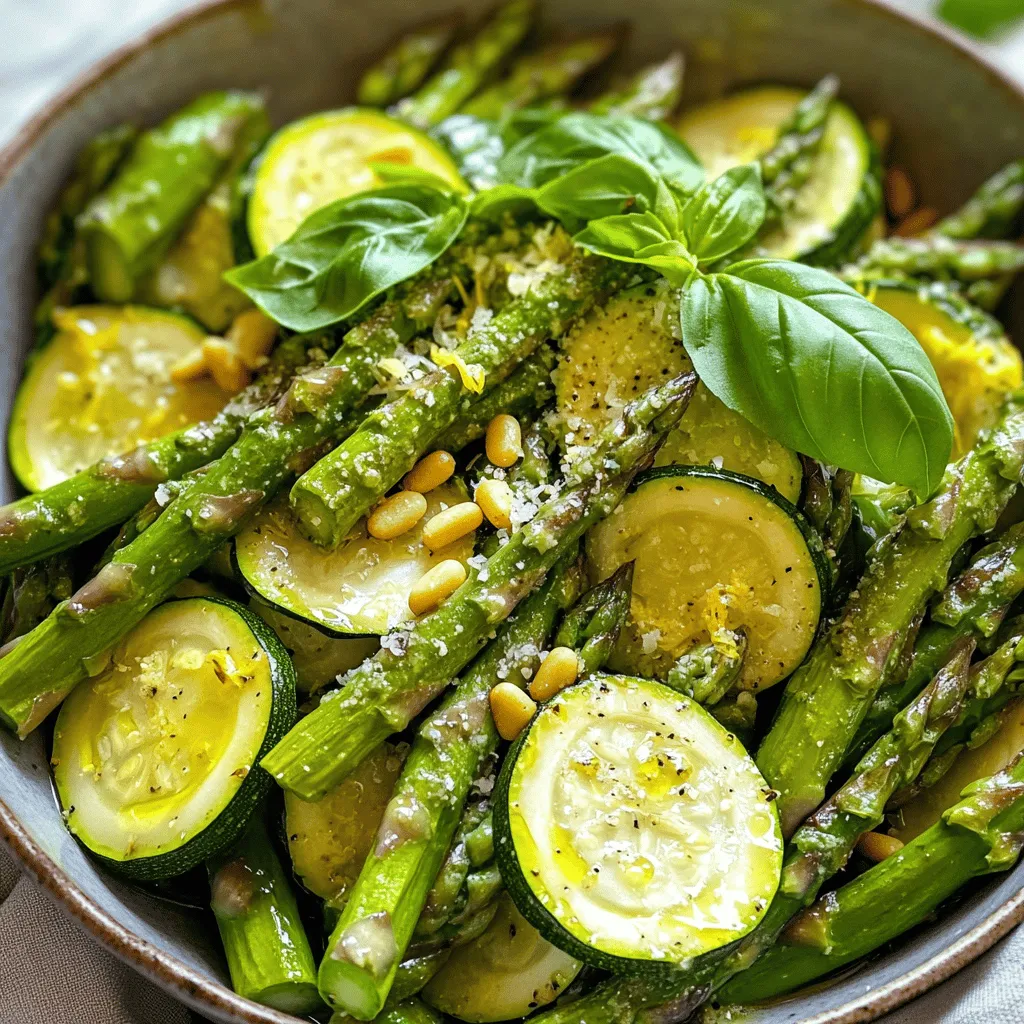
- 1 bunch of fresh asparagus - 2 medium zucchinis - 1 tablespoon olive oil - 2 cloves garlic, minced - 1 teaspoon lemon zest - 1 tablespoon lemon juice - Salt and pepper to taste - ¼ cup grated Parmesan cheese - Fresh basil leaves for garnish When you gather the ingredients for this dish, focus on freshness. Fresh asparagus should be bright green and firm. Choose zucchinis that are smooth and free of blemishes. This dish relies on the natural flavors of these vegetables, so quality is key. Olive oil adds a rich taste. Garlic brings a warm, savory note. Lemon zest and juice brighten the dish, cutting through the richness. Salt and pepper balance all the flavors. For a creamier finish, sprinkle on some grated Parmesan cheese. It adds a nice salty kick. Fresh basil leaves not only add color but also a lovely aroma. This vibrant dish is simple yet packed with flavor. You can find the full recipe for this medley in the recipe section above. Enjoy the process of cooking, as it makes the meal even better! - Wash and trim the asparagus. - Slice zucchini into half-moons. Start by washing the asparagus. This helps remove dirt and any unwanted bits. Next, trim the woody ends off the asparagus. This ensures they are tender and easy to eat. Slice the zucchinis into half-moons. Make sure the slices are even. This helps them cook at the same rate. - Heat olive oil and sauté garlic. - Add asparagus and zucchini to skillet. In a large skillet, heat the olive oil over medium heat. Once hot, add the minced garlic. Sauté it for about 30 seconds until it smells great. This step builds a lovely base flavor. Next, add the trimmed asparagus to the skillet. Sauté it for about 3-4 minutes. Stir frequently until the asparagus turns bright green. This shows it’s cooking well. Now, add the sliced zucchini to the skillet. Continue to cook for another 5 minutes. Stir occasionally until both veggies are tender but still crisp. This keeps them fresh and colorful. - Stir in lemon zest and juice. - Season and serve with optional toppings. Remove the skillet from heat. Stir in the lemon zest and lemon juice for a fresh kick. Season with salt and pepper to taste. This step brightens the flavors. For extra flair, you can top this medley with grated Parmesan cheese if you like. It melts slightly from the heat and adds a rich flavor. Serve it with fresh basil leaves sprinkled on top. This adds a nice touch of color and flavor. Enjoy your vibrant asparagus and zucchini medley! For the complete instructions, check the Full Recipe. To make the best dish, you need fresh veggies. For asparagus, look for bright green stalks. The tips should be closed and firm. Avoid any that are wilted or yellow. When you grab a bunch, it should feel heavy for its size. For zucchini, choose firm ones with smooth skin. Avoid any with soft spots or blemishes. Smaller zucchinis are often sweeter and more tender. You want a good balance of both veggies for a tasty meal. Cooking asparagus and zucchini just right makes a big difference. To get the best taste, adjust your cook time. If you like your veggies tender, cook for a few more minutes. For crunch, stick to the shorter time. To keep that vibrant green color, cook them fast. Use high heat and stir often. This way, they stay bright and fresh. Adding lemon juice at the end also helps keep the color. Pair this dish with grilled chicken or fish. They both add protein and flavor. You can also serve it on a bed of rice or quinoa for a filling meal. For a fun presentation, use a shallow bowl. Drizzle some olive oil on top and sprinkle with lemon zest. Add toasted pine nuts for a nice crunch. For the full recipe, check out the Vibrant Asparagus & Zucchini Medley. Enjoy your colorful dish! {{image_2}} You can easily swap out vegetables in this dish. Try using bell peppers or green beans. These will add different colors and flavors to your medley. If you want to make it vegan, just skip the cheese. The dish will still taste great without it. Adding spices can really boost the flavor. Sprinkle in some red pepper flakes for heat or Italian herbs for a nice aroma. You can also add protein. Chicken or shrimp would make this dish more filling. Cook them in the skillet with the veggies for an all-in-one meal. You can change this recipe with the seasons. In spring, add fresh peas or radishes. In summer, try cherry tomatoes for sweetness. Use seasonal herbs too. Fresh basil in summer or thyme in fall can brighten the dish. Enjoy the changing flavors throughout the year! To store leftovers, let the dish cool first. Place it in an airtight container. Keep it in the fridge for up to three days. When reheating, use a skillet over low heat. This method helps to keep the veggies crisp. You may add a splash of olive oil to revive the flavors. If you want to save some for later, freezing is a great option. First, let the dish cool completely. Then, scoop it into freezer-safe containers. Make sure to leave some space at the top, as it expands when frozen. This meal can last in the freezer for about two months. For the best taste and freshness, eat the dish within three days when stored in the fridge. If you freeze it, use it within two months for the best flavor. Watch for signs of spoilage like a sour smell or mushy texture. If you spot these, it’s best to throw it away. To check if asparagus is done, look for these signs: - Color: It should turn bright green. - Tenderness: It should be crisp but not mushy. You can poke a piece with a fork. If it goes in easily, it’s ready. Overcooking can make asparagus limp. I love it with a slight crunch for the best flavor. Yes, you can prepare this dish in advance. Here are some tips: - Meal Prepping: Cook the veggies and store them in an airtight container. Keep the lemon juice and zest separate until serving. - Reheating: To reheat without losing flavor, warm the dish in a skillet over low heat. Add a splash of olive oil and a squeeze of lemon juice for freshness. This way, you keep the vibrant taste of the dish intact. Asparagus and zucchini both pack a nutritional punch: - Asparagus: High in fiber, vitamins A, C, E, and K. It also helps with digestion. - Zucchini: Low in calories and rich in antioxidants. It supports heart health. When combined, they create a meal rich in nutrients. This medley helps you stay healthy and energized. Plus, it’s an easy way to add veggies to your plate. For the full recipe, check out the Vibrant Asparagus & Zucchini Medley. This blog post covered a fresh, healthy dish featuring asparagus and zucchini. You learned how to prepare, cook, and serve these vegetables. I shared tips on selecting produce and variations for different taste preferences. Remember to store leftovers properly to enjoy your meal later. Embrace your creativity in the kitchen and explore different flavors. Cooking can be fun. Enjoy your meal and keep experimenting with new ideas!
Healthy Asparagus with Zucchini Vibrant and Light Meal
Looking for a meal that’s both tasty and healthy? This Healthy Asparagus with Zucchini recipe offers a light, vibrant dish you can make in no
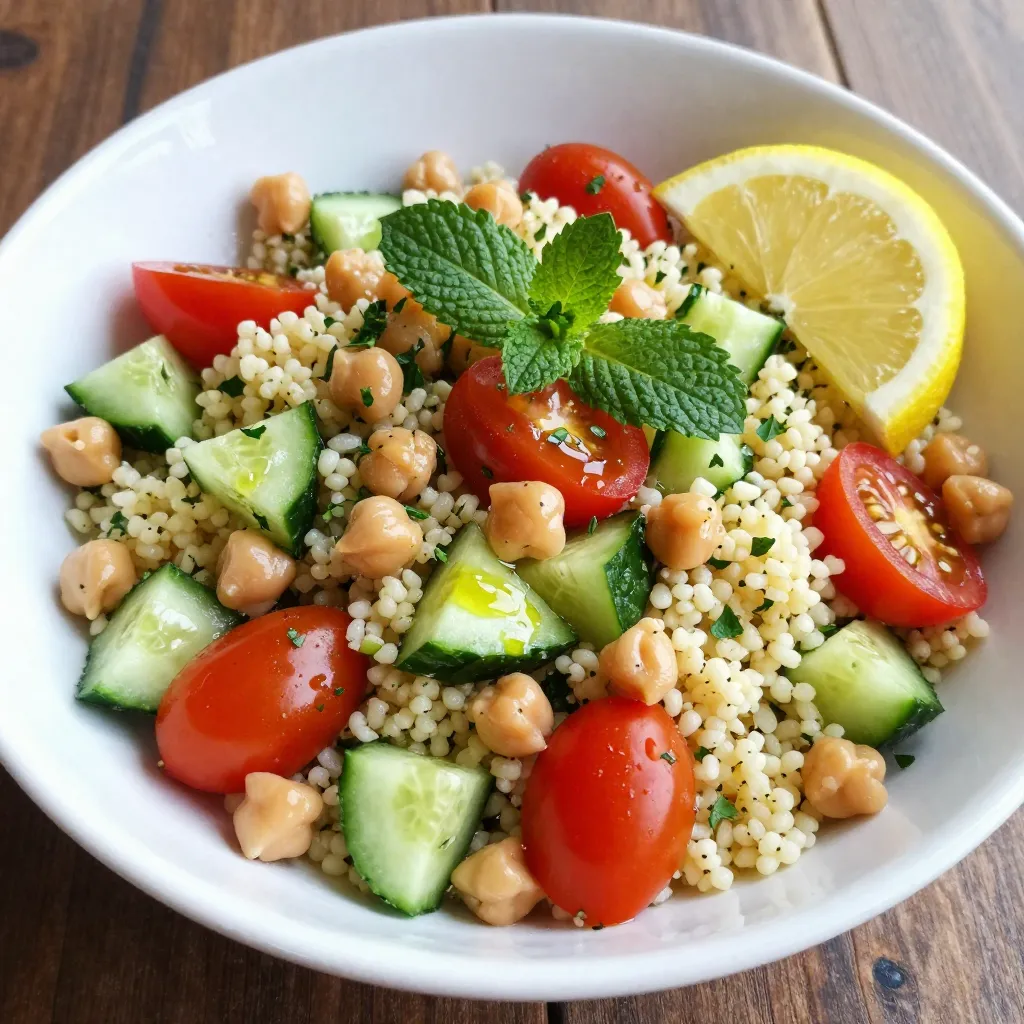
To make Lemon Herb Couscous Salad, you need the following ingredients: - 1 cup couscous - 1 ¼ cups vegetable broth - 1 medium cucumber, diced - 1 cup cherry tomatoes, halved - ½ red onion, finely chopped - 1 cup chickpeas, rinsed and drained - ½ cup parsley, finely chopped - ¼ cup mint leaves, finely chopped - Zest of 1 lemon - 3 tablespoons lemon juice - 3 tablespoons olive oil - Salt and pepper to taste You can swap ingredients if needed. Use quinoa instead of couscous for a gluten-free option. For the broth, water or chicken broth works too. If you don't have chickpeas, try black beans or kidney beans. You can also use different herbs like basil or cilantro instead of parsley and mint. If red onion is too strong for you, use green onions or shallots. Fresh herbs make the salad bright and tasty. They add a punch of flavor that dried herbs can't match. Parsley gives a fresh taste, while mint adds a cool note. Using fresh herbs makes your dish look nice, too. They add color and texture, making it more appealing. When you chop herbs, do it finely to release their oils. This helps to make the flavors pop. Fresh herbs are key to a delicious Lemon Herb Couscous Salad. {{ingredient_image_1}} To start, I heat 1 ¼ cups of vegetable broth in a medium saucepan until it boils. This step is key because broth adds flavor. Once it boils, I stir in 1 cup of couscous. Then, I cover the pan and remove it from heat. I let it sit for 5 minutes. After that, I fluff the couscous with a fork. This helps separate the grains. Finally, I let it cool before mixing it with the vegetables. Next, I grab a large mixing bowl. In it, I combine my diced cucumber, halved cherry tomatoes, finely chopped red onion, and rinsed chickpeas. I also add ½ cup of finely chopped parsley and ¼ cup of chopped mint leaves. These herbs give the salad a fresh taste. Mixing these veggies adds color and crunch. Now, I create the dressing. In a small bowl, I whisk together the zest of 1 lemon, 3 tablespoons of lemon juice, 3 tablespoons of olive oil, and some salt and pepper. This dressing brightens the salad. I pour it over the cooled couscous and vegetable mixture. Then, I gently toss everything together until well combined. To let the flavors blend, I cover the salad and refrigerate it for at least 30 minutes. This step is important for a tasty meal. To fluff couscous well, start by using a fork. After the couscous sits, gently stir it. This breaks apart any clumps. Be careful not to mash it. The goal is light and fluffy grains. For great flavor, add the dressing right before serving. This keeps the couscous fresh. Use fresh herbs like parsley and mint. They add bright, zesty notes. You can also let the salad chill. This lets the flavors blend nicely. Serve your salad in a large bowl. This makes it look inviting. Garnish with lemon wedges and extra mint. It adds a pop of color. You can also use a platter for a more elegant look. A sprinkle of extra herbs on top makes it even better. Pro Tips Cool Couscous: Allow the couscous to cool completely before mixing it with the vegetables to prevent wilting. Fresh Herbs: For the best flavor, use fresh herbs rather than dried ones, as they add brightness to the dish. Chill Time: Let the salad chill in the refrigerator for at least 30 minutes so the flavors can meld together beautifully. Customize Add-ins: Feel free to add other ingredients like feta cheese, bell peppers, or olives for additional texture and flavor. {{image_2}} You can easily add protein to your Lemon Herb Couscous Salad. Cooked chicken, tofu, or fish makes the dish heartier. For chicken, grill or roast it, then slice it thin. For tofu, press it to remove water, then cube and sauté until golden. If you prefer fish, grilled salmon or shrimp works well. Simply mix the cooked protein into the salad before serving. This makes it a perfect meal. The base of this salad is already vegetarian. To make it vegan, just skip any animal-based proteins. You can add more chickpeas for protein. Nuts like almonds or walnuts also provide a nice crunch. Try using avocado for creaminess. These options keep the salad fresh and filling while still being plant-based. Change the ingredients based on the season. In summer, add fresh corn or bell peppers. In fall, roasted sweet potatoes or butternut squash are great choices. During winter, use hearty greens like kale or spinach. These swaps add variety and keep the salad exciting year-round. Each season offers unique flavors, making this dish versatile and fun to prepare. Lemon herb couscous salad stays fresh in the fridge for about three days. After that, the veggies can lose their crunch. The flavors may fade too. Always check for any signs of spoilage before eating. I do not recommend freezing this salad. Freezing can change the texture of the couscous and fresh veggies. If you freeze it, the salad may turn mushy when thawed. Enjoy it fresh for the best taste and texture. Use an airtight container for the best storage. Glass or BPA-free plastic works well. Make sure to seal it tightly to keep out air and moisture. This helps maintain the salad's freshness longer. Yes, you can make this salad ahead of time. It tastes even better after resting. The flavors blend well when chilled. I suggest making it a few hours before serving. Just store it in the fridge. This way, you save time and enjoy a tasty dish. This salad pairs well with many dishes. You can serve it with grilled chicken or fish. It also works great with roasted veggies. For a vegetarian option, try it with falafel. You can enjoy it as a light lunch or a side for dinner. The fresh flavors complement many meals. To make this salad gluten-free, use quinoa instead of couscous. Quinoa is a great substitute. It has a similar texture and absorbs flavors well. Just cook the quinoa in vegetable broth like you do with couscous. Follow the same steps for mixing in the veggies and dressing. You'll still have a delicious dish! In this blog post, we explored how to create a tasty lemon herb couscous salad. We looked at key ingredients, ingredient swaps, and the role of fresh herbs. Then, I shared simple steps for cooking and mixing the salad. You learned tips for perfect fluffiness and flavor. We even discussed protein options and storage tips. Remember, this salad is versatile and can fit many diets. Try it with your favorite ingredients for a fresh meal anytime. Enjoy making it your own!
Lemon Herb Couscous Salad Fresh and Flavorful Recipe
Looking for a fresh and tasty salad that’s quick to whip up? You’ve just found it! My Lemon Herb Couscous Salad is packed with flavor
- 3 medium zucchinis, sliced into 1/4-inch rounds - 1 red bell pepper, sliced - 1 cup cherry tomatoes, halved - 1/2 red onion, thinly sliced - 2 tablespoons olive oil - 1 teaspoon garlic powder - Salt and pepper to taste - 1/4 cup crumbled feta cheese - Fresh basil leaves for garnish - Balsamic glaze for drizzling (optional) To make my grilled zucchini salad, I start with fresh, vibrant ingredients. The zucchinis are the star of the show. I slice them into 1/4-inch rounds. This size helps them grill nicely. The red bell pepper adds a sweet crunch. I slice it thin, too. Cherry tomatoes bring juicy bursts of flavor. Halving them lets their sweetness shine. Next, I thinly slice half a red onion. It adds a sharpness that balances the dish. I use olive oil to coat all the veggies. Just two tablespoons is enough. I sprinkle garlic powder for a nice kick. Salt and pepper round it all out. For a final touch, I add crumbled feta cheese. It gives a creamy, salty flavor. Fresh basil leaves make everything look pretty. If you like, drizzle some balsamic glaze on top. It adds a tangy sweetness. You can find the full recipe at the beginning of this article. This salad is colorful, fresh, and easy to make! 1. Preheat the grill to medium heat. This makes sure that the zucchini cooks evenly. 2. In a large bowl, toss together the vegetables with olive oil, garlic powder, salt, and pepper. Make sure every piece gets a good coat. 3. Place the zucchini and bell pepper slices on the grill. Grill them for about 3-4 minutes on each side. Look for nice grill marks and a tender texture. Once done, remove them from the grill and let them cool slightly. 1. Take a large platter or bowl. Arrange the grilled zucchinis, bell peppers, cherry tomatoes, and red onion in it. 2. Sprinkle crumbled feta cheese over the top. This adds a creamy, salty touch. 3. Finish by garnishing with fresh basil leaves. If you want, drizzle with balsamic glaze for extra flavor. - This salad is best served warm or at room temperature. It’s perfect for picnics or casual dinners. - Drizzle with optional balsamic glaze to enhance the taste. This adds a sweet and tangy flavor that complements the veggies well. For the full recipe, check out the [Full Recipe]. - Choosing the right zucchinis: Pick firm zucchinis that feel heavy for their size. Look for bright green skin without blemishes. Smaller zucchinis are sweeter and more tender. - Avoiding mushy texture when grilling: Slice zucchinis into 1/4-inch rounds. This thickness helps them cook evenly. Avoid overcooking; aim for grill marks and a bit of crunch. - Suggested seasonings and spices: Use garlic powder, salt, and pepper for a simple base. Add a pinch of red pepper flakes for heat. Fresh herbs like thyme or oregano also work well. - Recommended dressings or marinades: A light balsamic vinaigrette adds great flavor. You can also try a lemon herb dressing for a fresh twist. Marinade your veggies for 30 minutes to boost taste. - Creative plating ideas: Serve the salad in a large bowl or on a colorful platter. Layer the grilled zucchinis and peppers for height. - Using colorful garnishes: Fresh basil leaves add a pop of green. Crumbled feta cheese brightens the dish. A drizzle of balsamic glaze gives it a shiny finish. For the complete details on how to prepare this dish, check the Full Recipe. {{image_2}} If you want to swap out feta cheese, try using goat cheese or ricotta. These cheeses add creaminess and flavor. If you prefer a dairy-free option, use avocado or a nut-based cheese. For protein, grilled chicken or chickpeas work well. Chicken adds heartiness, while chickpeas provide plant-based protein. Both options pair nicely with the fresh veggies. You can add other veggies for variety. Try corn, asparagus, or eggplant. These vegetables add different textures and flavors. In summer, fresh herbs like dill or mint can brighten the dish. In fall, consider roasted butternut squash or sweet potatoes. Both add warmth and a bit of sweetness. This way, you can enjoy seasonal flavors year-round. Different dressings can change the whole dish. A lemon vinaigrette offers a zesty kick. Combine olive oil, lemon juice, salt, and pepper for a quick mix. For a healthier option, try yogurt-based dressings. They add creaminess without extra fat. You can also use balsamic glaze for a touch of sweetness. It adds a nice finishing touch to your salad. For the full recipe, check out the earlier section. Enjoy making this dish your own! To keep your grilled zucchini salad fresh, store it in an airtight container. This method prevents air from making the salad soggy. Make sure to cool the salad before sealing the container. You can keep the salad in the fridge for up to three days. After that, the veggies may lose their crunch. Grilled vegetables taste best fresh, but you can reheat them. Heat them gently in a pan over low heat. This method helps maintain their texture. Avoid using a microwave, as it can make them mushy. Just warm them until they are heated through. For quick meals, prepare the salad in advance. Chop the veggies and store them separately. Keep the zucchini and bell peppers in one container, and the cherry tomatoes and onions in another. This way, they stay fresh until you're ready to serve. When you're ready to eat, just grill the zucchini and bell peppers, then mix everything together. Grilling zucchini is quick and easy. I suggest grilling for about 3 to 4 minutes on each side. You want them to get nice grill marks. The zucchini should be tender but not mushy. This cooking time gives you the best results for flavor and texture. Yes, you can grill zucchini without oil. Just slice the zucchini and season it with salt and pepper. Place it on the grill. The natural moisture in the zucchini will help it cook. You can also use a non-stick grill mat. This method is great for those who want to cut down on oil. This salad pairs well with many dishes. You can serve it with grilled chicken, fish, or steak. It also goes great with quinoa or rice for a filling meal. For a light lunch, serve it with crusty bread or a side of hummus. Yes, you can easily make this salad vegan. Simply omit the feta cheese or use a plant-based cheese instead. You can also add chickpeas for protein. This makes the salad hearty and filling while keeping it fresh. This blog post showed you how to make a fresh grilled zucchini salad. You learned what ingredients to use and steps to grill the veggies perfectly. I shared tips for flavor and presentation, along with variations to suit your taste. Storing leftovers and meal prep showed how to keep things easy. Enjoy this salad warm or cold. Have fun with the ingredients and make it your own! You now have the tools to impress with a simple, healthy dish.
Grilled Zucchini Salad Fresh Flavorful Vegetable Dish
Are you ready to elevate your salad game? In this blog post, I’ll share a simple yet tasty recipe for a Grilled Zucchini Salad that
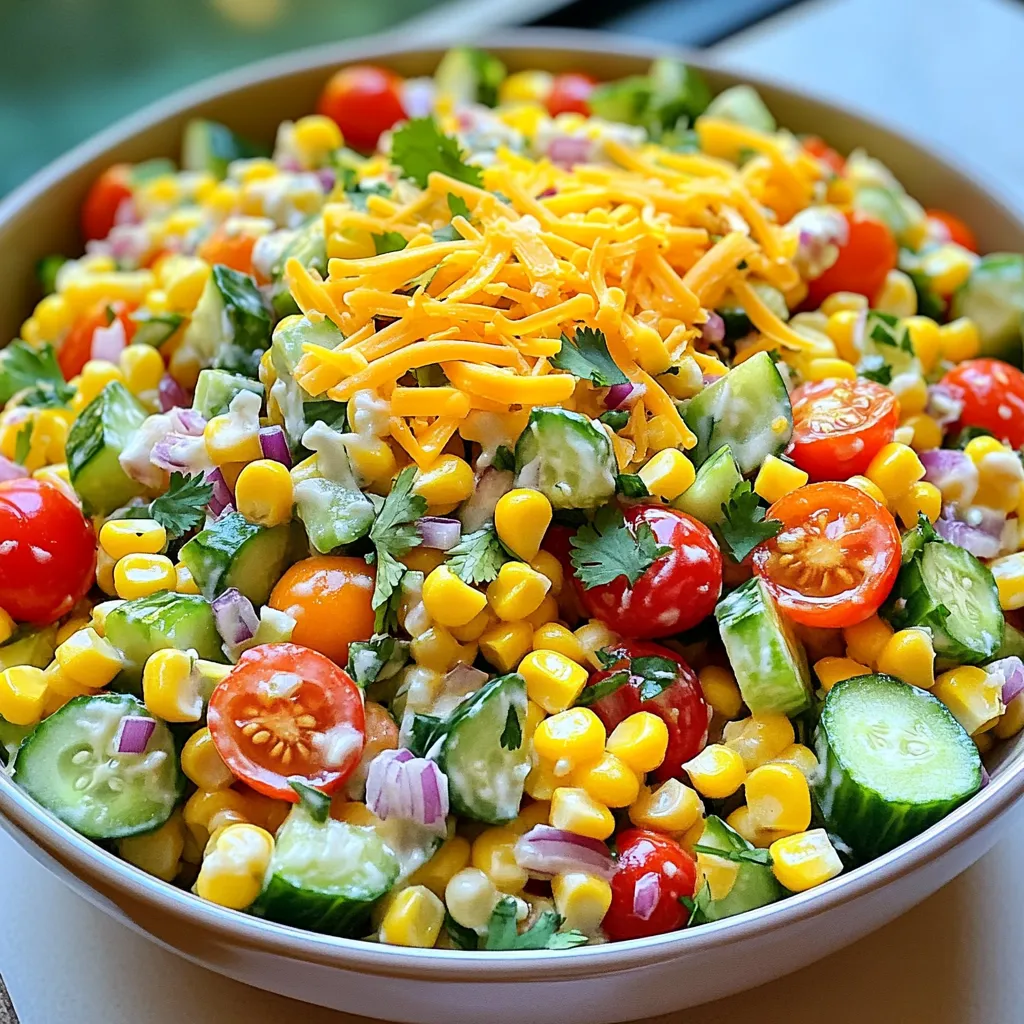
Fresh corn is the star of this dish. I use about 4 cups of corn kernels, which comes from 4 ears of corn. For the best taste, always pick corn that feels firm and has bright green husks. Boil the corn for 5-7 minutes to make it tender. Then, let it cool before cutting off the kernels. I love adding colorful veggies to this salad. You will need: - 1 1/2 cups cherry tomatoes, halved - 1 cup diced cucumbers - 1/2 cup red onion, finely chopped - 1/2 cup bell peppers (mix of colors), diced These veggies add crunch and flavor. Choose firm tomatoes and crisp cucumbers for the best results. To dress the salad, I mix these ingredients: - 1/2 cup mayonnaise - 1 tablespoon apple cider vinegar - 1 tablespoon honey - 1 teaspoon garlic powder - Salt and pepper to taste This dressing ties everything together. The mayonnaise adds creaminess, while vinegar brings a nice tang. Honey adds a hint of sweetness. You can adjust the salt and pepper to your liking. For those who want a colorful and tasty side dish, follow the full recipe. It is simple and delightful! First, you need fresh corn for this dish. If you have corn on the cob, boil it for about 5-7 minutes. This will make the corn tender and sweet. Once it's cooked, drain it and let it cool. After cooling, carefully cut the kernels off the cob. If you use canned corn, make sure to drain and rinse it well. This keeps the salad light and fresh. In a large mixing bowl, gather your corn kernels, cherry tomatoes, diced cucumbers, finely chopped red onion, and colorful bell peppers. These ingredients add crunch and flavor. Gently mix them together to ensure an even distribution. This step is crucial. You want every bite to be full of all the delicious flavors. Now, let’s make the dressing. In a separate bowl, whisk together the mayonnaise, apple cider vinegar, honey, garlic powder, salt, and pepper. Mix until the dressing is smooth and creamy. This dressing brings everything together in a tasty way. Once it's ready, pour it over your corn mixture. Stir gently to coat all the veggies and corn with that creamy dressing. Don't forget to add the shredded cheddar cheese. It adds a nice richness to the salad. Now, taste your salad. Adjust the seasoning if needed. If you like it spicy, try adding a pinch of cayenne pepper or some chopped jalapeños. These little tweaks can make a big difference. After mixing, let the salad chill in the fridge for at least 30 minutes. This helps all the flavors blend together nicely. Before you serve, consider garnishing with fresh cilantro for a pop of color and flavor. Enjoy your fresh and vibrant Crack Corn Salad! For the full recipe, refer to the sections above. To make your Crack Corn Salad shine, try adding spices. A pinch of cayenne gives heat. You can also add lime juice for zest. Fresh herbs bring brightness, too. Consider basil or parsley. If you want more crunch, add sliced radishes. They add a nice bite and color. Serve this salad cold for the best taste. It pairs well with grilled meats, burgers, or tacos. You can also use it as a filling for wraps. For a fun twist, try it on tortilla chips as a dip. This salad is perfect for picnics and barbecues, too. Presentation matters when serving food. Use a clear bowl to show off the bright colors. Garnish with cilantro for a fresh touch. You can also add lime wedges on the side. This adds a pop of color and invites guests to squeeze some juice on top. For the full recipe, check out Crack Corn Salad . {{image_2}} You can make Crack Corn Salad heartier by adding protein. Grilled chicken or shrimp works well. Simply chop them into bite-sized pieces and mix them with the salad. You can also use canned beans, like black beans or chickpeas, for a quick boost. They add great texture and flavor. For a veggie twist, try adding roasted or grilled vegetables. Zucchini, bell peppers, or asparagus add a nice touch. You can also use crumbled feta cheese for a salty flavor that pairs well. This keeps it fresh and light while still being filling. If you like heat, spice up your salad. Add diced jalapeños or a pinch of cayenne pepper to the mix. You can also use a spicy mayonnaise or add hot sauce to the dressing. This gives a nice kick, making the salad exciting and flavorful. Feel free to get creative! Check out the Full Recipe for more ideas on making this salad your own. After you make Crack Corn Salad, store it in the fridge. Use an airtight container to keep it fresh. The salad tastes best when chilled for about 30 minutes before you serve it. If you have leftovers, place them in the fridge right away. This salad can stay fresh for up to three days. Just remember to stir it before serving again to mix the flavors. I do not recommend freezing Crack Corn Salad. The fresh veggies and creamy dressing do not hold up well in the freezer. Freezing can make the veggies mushy and the dressing watery. If you want to prepare it in advance, stick to refrigeration instead. This way, you keep all the flavors and textures intact. Crack Corn Salad is best enjoyed fresh, but it can last in the fridge for about three days. After that, the flavors may fade. If you notice any changes in smell or texture, it’s best to toss it out. Always check for signs of spoilage before serving leftovers. Keeping an eye on freshness helps you enjoy this salad at its best! You can use Greek yogurt as a tasty swap. It adds creaminess without too many calories. You can also try sour cream for a tangy flavor. If you want a lighter option, use mashed avocado. Each choice changes the taste a bit, but they all work well. To make a vegan version, replace mayonnaise with vegan mayo. You can also use cashew cream for a rich texture. Blend soaked cashews with lemon juice and water until smooth. This gives a creamy base that tastes great. Check the cheese too; use a plant-based cheese for that cheesy flavor. Yes, frozen corn works perfectly in this salad. It is quick and easy to use. Just thaw the corn and drain any water before adding it. Frozen corn often has a sweet taste, making it a nice choice. However, fresh corn gives a crunch that some may prefer. This blog post covered all you need for a delicious crack corn salad. We explored fresh corn, vegetables, and dressing components. I shared step-by-step instructions on preparing the corn and combining ingredients. You learned tips to enhance flavor and creative serving ideas. We also discussed variations, storage tips, and common questions. In summary, making this salad fun and flexible is simple. Enjoy creating your own version!
Crack Corn Salad Fresh and Flavorful Side Dish
Looking for a fresh and tasty side dish? Try making Crack Corn Salad! This bright and colorful recipe is packed with sweet corn and crisp
- 8 oz fusilli pasta - 1 cup corn kernels (fresh or frozen) - 1 red bell pepper, diced - 1/2 red onion, finely chopped - 1 jalapeño, seeded and minced - 1/2 cup cotija cheese, crumbled - 1/4 cup fresh cilantro, chopped - 1/4 cup mayonnaise - 2 tablespoons sour cream - 2 tablespoons lime juice - 1 teaspoon chili powder - Salt and pepper to taste When making Mexican Street Corn Pasta Salad, I focus on fresh and vibrant flavors. The fusilli pasta serves as a great base. Its shape holds onto the dressing and other ingredients well. I often cook the pasta until it’s al dente for the best texture. Next, the corn kernels add sweetness and crunch. Whether you use fresh or frozen corn, it shines in this dish. I usually sauté the corn until it’s lightly charred. This step enhances its natural sweetness and adds depth to the salad. The red bell pepper brings color and a fresh, crisp bite. I dice it finely so it mixes well with the pasta. The red onion adds a sharp flavor. I chop it finely too, as this helps balance the dish. For the extra flavor, I always include jalapeño. It gives a warm kick without overwhelming the other tastes. Cotija cheese is another star here. Its salty and crumbly texture makes each bite exciting. Fresh cilantro adds a burst of freshness. I chop it just before mixing to keep its bright taste. Finally, I create a creamy dressing. The mayonnaise and sour cream blend with lime juice and chili powder. This combination gives the salad a zesty and creamy finish. You can adjust the salt and pepper to fit your taste. For the complete recipe, check out the Full Recipe section. To cook fusilli pasta, boil water in a large pot. Add salt to the water for flavor. Cook the pasta according to package instructions until it is al dente. This means it should be firm but not hard. Drain the pasta in a colander. Rinse it under cold water to stop the cooking process. This step helps keep the pasta from becoming mushy. For the corn, use fresh or frozen kernels. I prefer fresh for that sweet taste. Heat a skillet over medium heat. Add the corn and sauté for about 5 to 7 minutes. You want it to be slightly charred for more flavor. Once done, remove it from the heat and let it cool. This cooling step is key to keep the corn crunchy. In a large mixing bowl, combine the cooled pasta, charred corn, diced red bell pepper, chopped red onion, and minced jalapeño. Stir gently to mix these ingredients without breaking the pasta. In a separate small bowl, whisk together the mayonnaise, sour cream, lime juice, chili powder, salt, and pepper. Make sure the dressing is smooth and well blended. Pour the dressing over the pasta mixture. Toss gently to coat all the ingredients evenly. Next, fold in the crumbled cotija cheese and chopped cilantro. Be careful to mix just until combined, so you don’t break the pasta. Taste the salad and adjust seasoning with more salt, pepper, or lime juice if needed. Refrigerating the pasta salad is very important. This step allows all the flavors to blend nicely. Cover the bowl and chill it for at least 30 minutes. Serve it cold for the best taste. For the full recipe, check out the complete guide. To avoid mushy pasta, cook your fusilli just until al dente. Follow the package instructions closely. Rinsing the pasta under cold water halts the cooking process and keeps it firm. Balancing ingredients is key to achieving the best taste. Use fresh corn for sweetness and flavor. The red bell pepper adds crunch and vibrant color. Jalapeños bring heat, so adjust to your spice level. Mixing cotija cheese adds a creamy, salty touch. You can serve Mexican Street Corn Pasta Salad in many fun ways. Try using a large bowl for family-style sharing. Individual cups can make for a great picnic or potluck idea. Pair this salad with grilled chicken or fish for a complete meal. It also works well with tacos or quesadillas for a fun taco night. Garnishing your salad makes a big difference. A sprinkle of extra cotija cheese on top adds texture. Add a few cilantro leaves for a fresh pop of green. Colorful ingredients are not just pretty; they also bring different flavors. The bright yellow corn, red bell pepper, and green cilantro create a feast for the eyes. Remember, a beautiful dish makes the meal even more enjoyable. For the full recipe and more tips, check out the [Full Recipe]. {{image_2}} To make this salad vegetarian, use vegetable broth to cook the pasta. You can also swap out the cotija cheese for a creamy feta or a vegan cheese option. These substitutes keep the dish rich and tasty. For extra veggies, add diced zucchini or cherry tomatoes. These colorful options add texture and nutrients without changing the flavor. If you love heat, try adding different peppers. Consider using serrano or habanero for a kick. You can also sprinkle some red pepper flakes for extra spice. For those who want a milder version, use bell peppers instead. Remember, you can always adjust the heat to match your taste. To make this pasta salad gluten-free, choose gluten-free pasta, like brown rice or chickpea pasta. These alternatives work well and hold their shape. Always check labels to ensure there are no hidden gluten ingredients. This way, everyone can enjoy the salad without worry. You can find the Full Recipe for more details on how to create this delightful dish. To keep your Mexican street corn pasta salad fresh, store it in an airtight container. Make sure it’s sealed tightly. This helps maintain its flavors and prevents odors from other foods. The salad will stay fresh for about 3 to 5 days in the fridge. If you notice any changes in smell or appearance, it’s best to toss it. If you want to warm up your pasta salad, do it gently. Use a microwave on low power to avoid mushy pasta. Stir it every 30 seconds until it's warm. If you prefer it cold, serve it straight from the fridge. The flavors are bright and refreshing when chilled. Making this salad ahead of time is a great idea! You can cook the pasta and corn a day before. Chop the veggies and store them separately to keep them fresh. When you’re ready to eat, mix everything together with the dressing. This saves time and gives you a quick meal option for busy days. If you can’t find cotija cheese, try feta or queso fresco. Both add saltiness and creaminess. You can also use grated Parmesan for a different twist. Each option gives a unique flavor to the salad. This pasta salad stays fresh in the fridge for about three days. Make sure to keep it in an airtight container. The flavors will continue to blend, making it even tastier over time. Yes, you can make this salad a day in advance. Just mix all the ingredients and refrigerate them. This lets the flavors meld together beautifully. When it's time to serve, just give it a quick stir. To make this salad vegan, swap the mayonnaise and sour cream for plant-based alternatives. Use nutritional yeast for a cheesy flavor instead of cotija cheese. This keeps the salad delicious and satisfying. Fusilli is great for this recipe because it holds the dressing well. However, you can also use rotini or penne. These shapes add a fun texture and help capture all the flavors. Try adding diced avocado, black beans, or even chopped tomatoes. A dash of hot sauce can spice things up, too. Fresh lime zest adds brightness, making each bite exciting and fresh. For the full recipe, check out the detailed instructions above. This blog post covered a tasty Mexican Street Corn Pasta Salad. We explored key ingredients like fusilli pasta, corn, red bell pepper, and special dressings. Each step showed you how to cook and mix the salad for the best taste and texture. In my final thoughts, remember to adjust flavors and try variations that suit your taste. Enjoy this vibrant dish that can bring joy to any meal!
Mexican Street Corn Pasta Salad Flavorful and Fresh
Get ready to brighten your meal with my Mexican Street Corn Pasta Salad! This dish combines the sweet crunch of corn, the zing of lime,
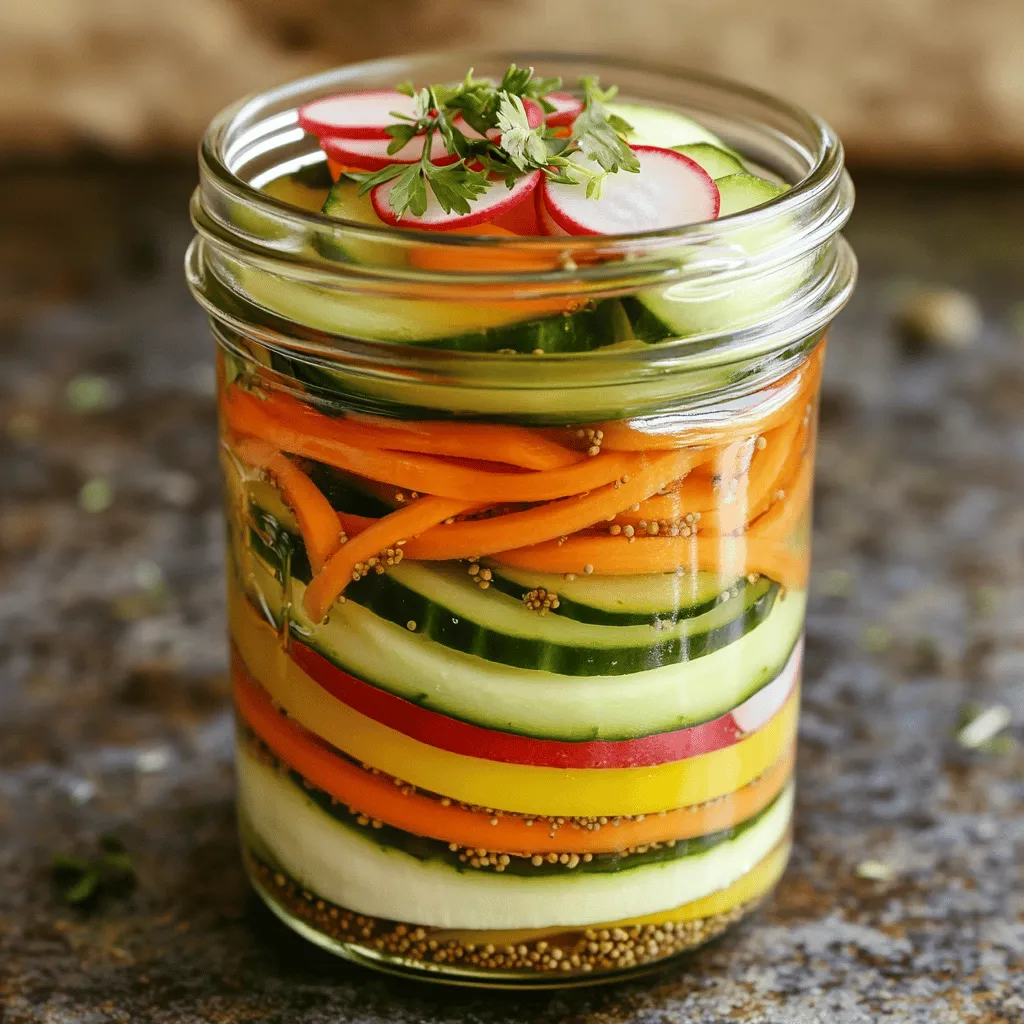
- Sliced cucumbers - Shredded carrots - Thinly sliced red radishes To make quick pickled vegetables, you start with fresh, crunchy veggies. I love using sliced cucumbers for their crispness. Shredded carrots add a sweet touch and bright color. Thinly sliced red radishes bring a peppery bite that wakes up the taste buds. - Mustard seeds - Coriander seeds - Red pepper flakes Adding spices enhances the flavor of your pickles. Mustard seeds give a nice crunch and a tangy taste. Coriander seeds add a warm, earthy note. If you like heat, sprinkle in some red pepper flakes. Adjust the amount to match your spice level. - Apple cider vinegar - Sugar and salt - Garlic The pickling liquid is key to great flavor. I use apple cider vinegar for its fruity acidity. It balances well with sugar and salt, which help to bring out the flavors. Adding smashed garlic infuses a wonderful aroma and depth. This combo creates a bright and tangy liquid that transforms your veggies. For the full recipe, check out the Zesty Quick Pickled Veggies 🥒 section. To start, I combine water and apple cider vinegar in a medium saucepan. This mix forms the base of our pickling liquid. I add one tablespoon of sugar and one tablespoon of salt. I heat the mixture over medium heat. I stir it occasionally until the sugar and salt dissolve completely. This step is key for balance in flavor. Next, I turn up the flavor. I add one teaspoon of mustard seeds, one teaspoon of coriander seeds, two smashed garlic cloves, and one teaspoon of red pepper flakes. This blend brings warmth and depth to the pickles. I bring the mixture to a gentle simmer for about one to two minutes. This helps the spices release their aromas and flavors into the liquid. Now, I prepare my veggies. I slice cucumbers, shred carrots, and thinly slice red radishes and bell peppers. I place all these colorful veggies into a large, heatproof jar or container. Then, I carefully pour the warm pickling liquid over the veggies. I make sure they are fully submerged. If any float, I gently press them down with a spoon. Once done, I let the jar cool to room temperature. After that, I seal it with a lid. For the best taste, I recommend refrigerating the pickles for at least two hours, but overnight is even better. You can find the full recipe here. To make sure your quick pickles turn out great, keep these tips in mind: - Ensuring vegetables are submerged: This is key for even flavor. When you pour the pickling liquid over the veggies, they should be completely covered. If some float, use a spoon to push them down gently. This helps every piece soak up that tangy goodness. - Cooling time for optimal flavor: After you seal the jar, let it cool at room temperature. This step is crucial. It allows the flavors to meld together nicely. For the best taste, chill the pickles in the fridge for at least two hours or overnight. The longer they sit, the better they taste! When serving your quick pickled vegetables, think about how to make them shine: - Presentation ideas for serving: Use a clear glass jar to show off the colors of the pickles. You can sprinkle some fresh herbs on top for a pop of green. This not only looks nice but adds a fresh taste as well. - Pairing with different dishes: Quick pickled veggies are versatile! Serve them with grilled meats for a zesty side. They also brighten up salads, sandwiches, and tacos. You can even add them to charcuterie boards for a fun twist. Want to take your pickles to the next level? Here are some tasty ideas: - Adding herbs or citrus zest: Fresh herbs like dill or cilantro can bring a new layer of flavor. You can also add a bit of lemon or lime zest for a citrusy kick. This adds freshness and enhances the overall taste. - Adjusting spice levels to your preference: If you like heat, feel free to increase the red pepper flakes. You can also experiment with other spices like black pepper or chili powder. Adjust to your liking for the perfect balance! {{image_2}} You can change up the veggies in your quick pickles. Try using radishes for a spicy kick. Zucchini also works great for a mild taste. Green beans add a nice crunch. Asparagus brings a fresh, bright flavor to the mix. These options can change the whole vibe of your pickles. Feel free to use what you have on hand! Switching vinegars can alter the taste. Use rice vinegar instead of apple cider for a sweeter flavor. It also gives your pickles a nice tang. You can also play with spices. Adding dill seeds, black peppercorns, or even ginger can bring new flavors. Get creative and see what you like best! If you need low-sodium options, simply cut back on the salt. You can also leave out the sugar for a sugar-free version. This way, your pickles will still taste great. For vegan diets, all your veggies are plant-based! These pickles fit right into any meal plan. Enjoy them in salads or as a snack. To keep your quick pickled vegetables fresh, choose the right container. Glass jars work best. They let you see the colors and are easy to clean. Make sure your jars have tight lids. This keeps air out and flavors in. After you make your pickles, put them in the fridge. Cold temperatures help keep them crisp and tasty. Quick pickled vegetables last about 1 to 2 weeks in the refrigerator. After that, they may lose their crunch. Look for signs of spoilage. If the pickles become soft or the liquid turns cloudy, it’s time to throw them out. Always trust your senses. If something smells off, it’s better to be safe. You can freeze quick pickled vegetables, but it’s not the best idea. Freezing changes their texture. If you want to freeze them, use freezer-safe bags. Remove as much air as you can to prevent freezer burn. When you want to use them, just thaw in the fridge. They might not be as crunchy, but they will still taste good in cooked dishes. For a full recipe, check out the Zesty Quick Pickled Veggies. Quick pickled vegetables can last about 2 to 4 weeks in the fridge. Keep them in a clean, airtight jar. Make sure to always use clean utensils when serving. This helps avoid bad bacteria. If you see any signs of spoilage, like mold or off smells, it's best to throw them away. Yes, you can use many types of vinegar for pickling. Apple cider vinegar gives a sweet and tangy flavor. White vinegar is sharp and strong. Rice vinegar is mild and slightly sweet. Each type changes the taste of your pickles. Experiment to find your favorite! Quick pickled vegetables add flavor and crunch to many meals. Use them in tacos, sandwiches, or salads. They also pair well with grilled meats or fish. Serve them as a side dish or snack. Their bright colors make any plate more appealing. You can find more ideas in the Full Recipe. Yes, you can add more heat to your pickles. Increase the amount of red pepper flakes in your recipe. You can also add sliced fresh chili peppers. If you love garlic, try adding more smashed cloves. Adjust the spices to your taste for the perfect kick. Quick pickling is a simple way to make tasty vegetables at home. You learned about key ingredients, how to prepare the pickling liquid, and tips for picking various veggies. The right jar and storage can make them last longer. You can enjoy your pickles as a snack or alongside meals. Experimenting with flavors adds fun. Now, you have the tools to create your own quick pickles. Enjoy your cooking and all the crunchy goodness that follows!
Quick Pickled Vegetables Easy and Flavorful Recipe
Looking for a simple way to enhance your meals? Quick pickled vegetables are the answer! In this easy and flavorful recipe, I’ll show you how
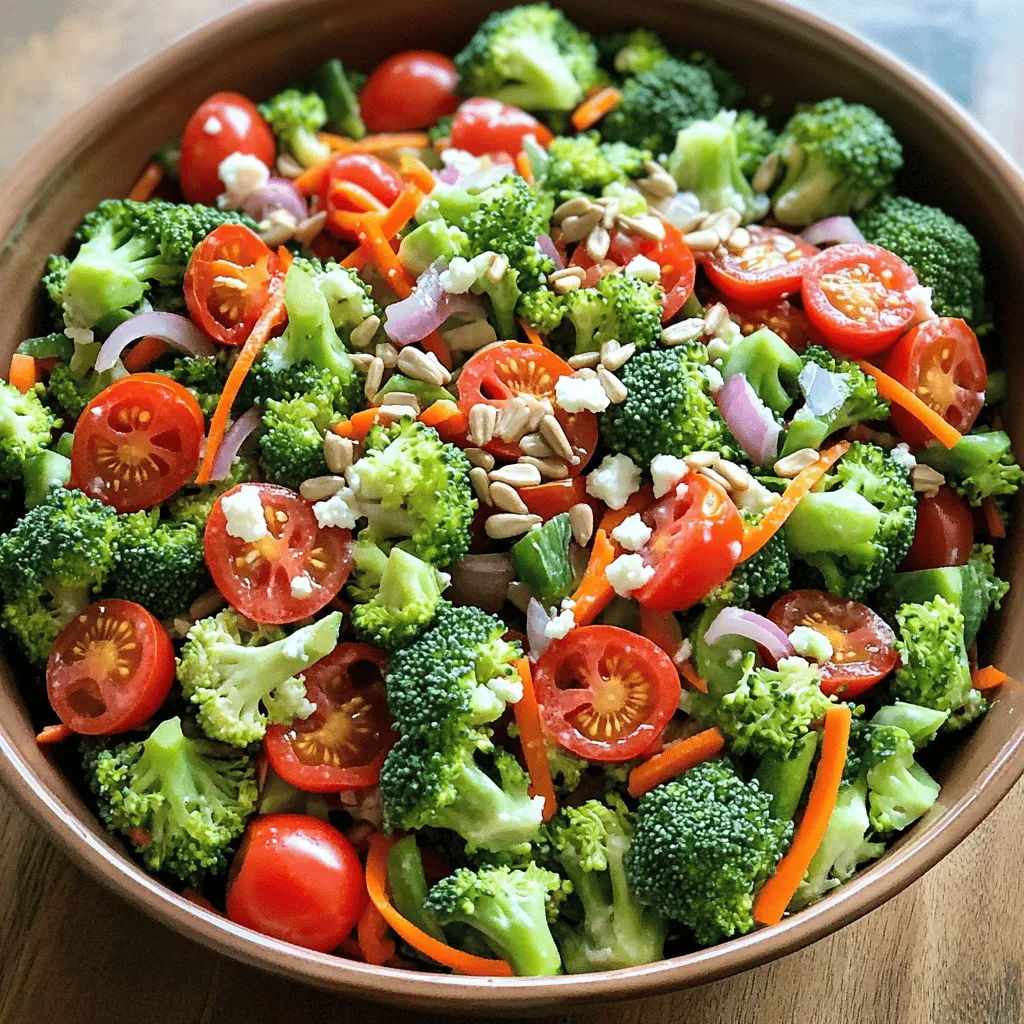
- 3 cups fresh broccoli florets - 1 cup cherry tomatoes, halved - 1/2 cup red bell pepper, diced - 1/4 cup red onion, finely chopped - 1/2 cup shredded carrots - 1/3 cup sunflower seeds - 1/4 cup feta cheese, crumbled (optional) - 3 tablespoons olive oil - 2 tablespoons apple cider vinegar - 1 tablespoon honey - Salt and pepper to taste - 1 teaspoon Dijon mustard The ingredients in the Broccoli Bliss Salad create a vibrant and fresh dish. You’ll start with broccoli, a superfood packed with vitamins. The cherry tomatoes add sweetness and color. Red bell pepper gives a crunchy texture, while red onion adds a sharp flavor. Shredded carrots contribute a nice balance with their natural sweetness. You can enhance the salad with sunflower seeds for a delightful crunch. If you enjoy creamy flavors, crumbled feta cheese works well. The dressing ties everything together. It includes olive oil, apple cider vinegar, honey, salt, pepper, and Dijon mustard. This blend of flavors brings out the best in the salad. You can find the full recipe above. Gather these ingredients to create a fresh and tasty Broccoli Bliss Salad! 1. Prepare broccoli: Start with fresh broccoli florets. If you want a softer bite, blanch them. Boil water in a pot. Add the florets for just 1-2 minutes. Then, place them in ice water to stop cooking. Drain and set aside. This step helps keep the color bright and adds a tender crunch. 2. Combine other vegetables: In a large mixing bowl, add the blanched broccoli. Next, toss in halved cherry tomatoes, diced red bell pepper, finely chopped red onion, and shredded carrots. Mix everything gently to combine. Each veggie brings its unique flavor and adds color to the salad. 3. Whisk together dressing ingredients: In a small bowl, add olive oil, apple cider vinegar, honey, Dijon mustard, salt, and pepper. Whisk until well combined. The dressing will tie all the flavors together. The sweet honey balances the tangy vinegar and mustard, creating a delicious blend. 4. Toss salad ingredients with the dressing: Pour the dressing over the vegetable mix. Toss well until everything is coated. This is where the magic happens. The dressing enhances the flavors of each ingredient. 5. Add sunflower seeds and feta cheese just before serving: Right before you serve, sprinkle sunflower seeds and feta cheese on top. This adds crunch and creaminess. If you want a nut-free option, skip the seeds. 6. Allow flavors to meld for 10 minutes: Let the salad sit for about 10 minutes. This waiting time helps the flavors blend. You’ll notice how the dressing seeps into the veggies, making each bite even tastier. This simple process creates a fresh and vibrant Broccoli Bliss Salad that you will love. For the complete recipe, check out the Full Recipe section. Enjoy this delightful dish! For fresh broccoli, I recommend visiting local farmers' markets. You will find vibrant green florets that are crisp and full of flavor. Supermarkets may have broccoli, but it can lack freshness. Look for firm stems and tight florets. A rich green color shows it’s ripe! When choosing cherry tomatoes, feel for firmness. Ripe tomatoes should have a deep, rich color. Avoid any with wrinkles or blemishes. If you can, smell them; a sweet scent means they are ready to eat. To boost the taste of your Broccoli Bliss Salad, consider adding spices like garlic powder or smoked paprika. Fresh herbs like dill or cilantro can add a nice twist. They each bring a unique flavor that pairs well with the other ingredients. For the dressing, try adding a squeeze of lemon juice or a dash of hot sauce. These additions can brighten the flavors and add a bit of zing. When serving the salad, use a large, vibrant bowl to catch the eye. This makes it stand out at gatherings. Layer the ingredients to create a colorful display. For garnishing, sprinkle extra sunflower seeds on top for crunch. A light dusting of feta cheese adds both taste and beauty. Fresh herbs like parsley or basil can also offer a lovely pop of green. {{image_2}} You can boost the protein in your Broccoli Bliss Salad easily. Adding cooked chicken makes it heartier. Simply chop the chicken into bite-sized pieces and mix it in. If you prefer a plant-based option, chickpeas are great too. Rinse canned chickpeas and toss them in the salad. They add a nice texture and protein boost. Making this salad vegan is simple! Just skip the feta cheese and use maple syrup instead of honey. For a gluten-free version, ensure your mustard is gluten-free. If you want a nut-free option, feel free to leave out the sunflower seeds. This way, you can cater to various dietary needs without losing flavor. Seasonal vegetables can give your salad a fun twist. For example, try adding roasted butternut squash in the fall or fresh asparagus in the spring. You can also mix in fruits like apples or cranberries. Their sweetness pairs well with the savory elements of the salad, making it even more delightful. Store any leftover Broccoli Bliss Salad in an airtight container. This keeps the salad fresh and crisp. The salad lasts up to three days in the fridge. However, the longer it sits, the softer the veggies become. For the best taste, enjoy it within two days. You can freeze Broccoli Bliss Salad, but it's not ideal. Freezing can change the texture of fresh veggies. If you want to freeze it, separate the dressing from the salad components. Freeze the salad mix without the dressing for up to three months. When ready to eat, thaw it in the fridge overnight. To refresh the salad before serving, just give it a good toss. Adding a little extra dressing can help revive the flavors. Avoid heating the salad in the microwave. This will make it mushy. Instead, serve it cold for the best taste. Broccoli Bliss Salad is a vibrant, fresh mix of flavors and nutrients. This salad features crisp broccoli florets, juicy cherry tomatoes, and sweet red bell peppers. You also get finely chopped red onion and colorful shredded carrots. Together, these ingredients create a crunchy and colorful dish. The salad gets a delicious dressing made with olive oil, apple cider vinegar, and a hint of honey. You can add sunflower seeds for crunch and feta cheese for creaminess. It's a feast for the eyes and the taste buds! Yes, you can prepare Broccoli Bliss Salad ahead of time. To make it easy, chop the vegetables and keep them in the fridge. Mix the dressing in a separate bowl and store it in a jar. When you're ready to serve, combine everything and toss it with the dressing. This method keeps the salad fresh and crisp. Just remember to add the sunflower seeds and feta cheese right before serving. They add texture and flavor that you want to keep crunchy! If you need a substitute for sunflower seeds, there are many great options. Here are some ideas: - Pumpkin seeds add a nice crunch. - Chopped walnuts bring a rich flavor. - Sliced almonds offer a light, nutty taste. - Toasted sesame seeds give a unique twist. - Dried cranberries or raisins can add a hint of sweetness. These alternatives will still give your salad great texture and flavor. Enjoy experimenting with what you have on hand! The Broccoli Bliss Salad combines fresh veggies, seeds, and a zesty dressing. You learned how to prepare, mix, and enhance this dish. Don’t forget the tips for selecting ingredients and enhancing flavor! You can make this salad your own with easy variations for protein and diet needs. Follow the storage information to enjoy leftovers at their best. This salad is both delicious and nutritious, perfect for any meal. Make it for your next gathering, and impress your friends with your new cooking skills!
Broccoli Bliss Salad Fresh and Flavorful Delight
Looking for a fresh and vibrant salad that packs a punch? Meet the Broccoli Bliss Salad! This delightful dish combines crunchy broccoli, sweet cherry tomatoes,
For a tasty Thai Chicken Salad, you need these key items: - 2 cups cooked chicken breast, shredded - 1 cup red cabbage, thinly sliced - 1 cup carrots, grated - 1 cucumber, julienned - 1 red bell pepper, thinly sliced - 1/4 cup fresh cilantro, chopped - 1/4 cup chopped peanuts (for garnish) Nutritional aspects of each ingredient: - Chicken breast: High in protein, low in fat, great for muscle health. - Red cabbage: Rich in vitamins C and K, supports immune function. - Carrots: Full of beta-carotene, good for vision and skin health. - Cucumber: Hydrating and low in calories, helps with digestion. - Red bell pepper: Packed with antioxidants, boosts overall health. - Cilantro: Adds flavor and has anti-inflammatory properties. - Peanuts: Source of healthy fats and protein, adds crunch. For the dressing, gather these items: - 2 tablespoons lime juice - 2 tablespoons fish sauce - 1 tablespoon honey - 1 tablespoon sesame oil - 1 teaspoon grated ginger - 1 garlic clove, minced - Salt and pepper to taste Tips on sourcing fresh ingredients: - Buy herbs like cilantro from your local farmer's market. - Choose colorful vegetables for better taste and nutrition. - Look for fresh lime and garlic at the grocery store. - Always check the labels on sauces for quality. For the full recipe, click here: [Full Recipe]. To make Thai Chicken Salad, follow these easy steps. First, gather all your ingredients. You will need cooked chicken, red cabbage, carrots, cucumber, red bell pepper, cilantro, lime juice, fish sauce, honey, sesame oil, ginger, garlic, and peanuts. 1. In a large mixing bowl, add the shredded chicken, red cabbage, grated carrots, julienned cucumber, thinly sliced red bell pepper, and chopped cilantro. Toss them all together well. 2. In a small bowl, whisk together lime juice, fish sauce, honey, sesame oil, grated ginger, and minced garlic. This mixture will be your dressing. 3. Pour the dressing over the salad mixture. Gently toss to coat everything evenly. 4. Let the salad rest for about 10 minutes. This time is key. It allows the flavors to mix and become more vibrant. 5. Just before serving, sprinkle chopped peanuts on top for a crunchy finish. When serving the salad, think about how to make it look nice. Use a large bowl or individual plates. Garnish with fresh cilantro leaves and a lime wedge on the side. This adds color and freshness. You can pair the salad with spring rolls or jasmine rice. This combination makes for a complete meal. For drinks, consider serving iced tea or coconut water. It’s a refreshing way to enjoy your meal. For the full recipe, refer to the earlier section. Enjoy your delightful Thai Chicken Salad! You can easily change this Thai chicken salad to fit your taste. If you prefer a vegetarian option, swap chicken for tofu. Tofu absorbs flavors well and adds protein. You can also use shrimp for a seafood twist. For a crunchier salad, add sliced radishes or snap peas. If you want a spicy kick, toss in some sliced jalapeños. To enhance the flavor of your dressing, try adding more lime juice or a dash of chili sauce. Fresh herbs like mint or basil can brighten the taste too. Adjust the sweetness by adding more honey or using agave syrup for a vegan option. One common mistake is not shredding the chicken finely. Larger pieces can make the salad hard to eat. Make sure to slice the veggies thinly, too. This helps all the flavors blend well. Another error is not letting the salad sit. Allowing it to rest for ten minutes helps the flavors join together. For storage, keep the salad in a sealed container. This helps keep the veggies crisp. Try to eat the salad within two days to enjoy its freshness. If you add the dressing before storing, it can make the salad soggy. Keep the dressing separate until you are ready to eat. For the full recipe, check out the Full Recipe section above. {{image_2}} You can easily swap the chicken in your Thai Chicken Salad. Tofu is a great choice for a vegetarian option. Use firm tofu, and press it to remove excess water. Cut it into cubes and sauté until golden. This adds a nice texture. Shrimp is another tasty alternative. Cook medium shrimp in a pan with a little oil until pink and opaque. It takes only a few minutes. Both options work well with the salad's fresh flavors. Using seasonal vegetables makes your salad even better. In spring, add snap peas or radishes for a crisp bite. In summer, try ripe tomatoes or sweet corn for a juicy touch. For fall, consider using roasted butternut squash. It adds warmth and a sweet flavor. In winter, crunchy carrots and kale keep the salad vibrant. You can also adjust the dressing with seasonal ingredients. In summer, add a splash of orange juice to brighten it up. In winter, a bit of maple syrup can add a cozy sweetness. Enjoy exploring these options! To keep your Thai Chicken Salad fresh, store it in an airtight container. This helps maintain flavor and crunch. Place the salad in the fridge right after serving. It will stay good for about 3 days. If you notice any wilting or browning, it’s best to toss those bits out. If you want to save some salad for later, you can freeze it. Divide the salad into portions that you can use later. Use freezer-safe bags or containers. When you are ready to eat, thaw the salad overnight in the fridge. Once thawed, give it a good mix. The flavors will come back together nicely. Enjoy it with your favorite sides! For the full recipe, check out the details above. Thai Chicken Salad is a bright and tasty dish. It combines fresh veggies with shredded chicken. Key ingredients include red cabbage, carrots, and cucumbers. These add crunch and color. The salad also has a zesty dressing made from lime juice, fish sauce, honey, and sesame oil. Ginger and garlic add depth to the flavor. This meal is light yet satisfying, making it perfect for lunch or dinner. Yes, you can make Thai Chicken Salad ahead of time. However, I suggest keeping the dressing separate. This helps maintain the salad's crunch. Prepare the salad and store it in the fridge. Add the dressing just before serving. If you mix it too early, the veggies may become soggy. Letting it sit for 10 minutes before serving helps the flavors blend well. To make Thai Chicken Salad gluten-free, swap out certain ingredients. Use gluten-free fish sauce and soy sauce. Check labels to ensure no hidden gluten. You can also use tamari as a soy sauce substitute. Most other ingredients are naturally gluten-free. Fresh veggies and chicken are great choices. With these swaps, you can enjoy a tasty gluten-free salad. For the full recipe, check out the instructions provided above. In this article, we explored the delicious Thai Chicken Salad, starting with its key ingredients and dressing components. I shared easy steps for preparing and serving the salad, along with tips for customization and common mistakes to avoid. We discussed great alternatives for proteins and how to use seasonal veggies to enhance flavor. Finally, I provided storage tips to keep your salad fresh. By using these insights, you can create a tasty and colorful dish that fits your needs and impresses your guests. Enjoy making this vibrant salad!
Thai Chicken Salad Delightful and Flavorful Meal
Are you ready to spice up your meal routine? This Thai Chicken Salad is a delightful and flavorful dish that combines fresh herbs, crunchy veggies,